
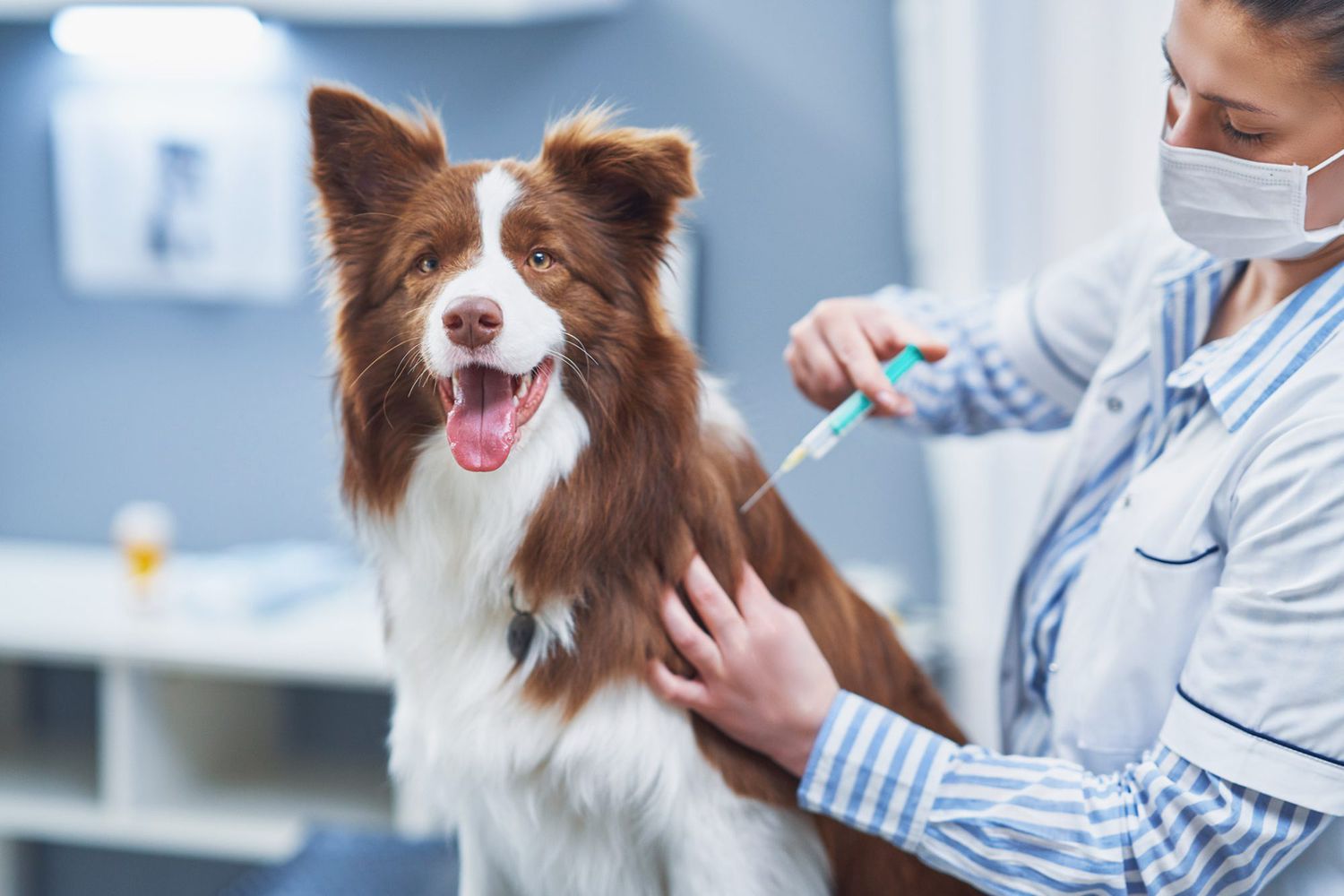
Dog Vaccination Schedule UK: A Complete Guide for Puppies and Adult Dogs
Vaccinating your dog is one of the most important things you can do to protect their health. Whether you've just welcomed home a new puppy or you're trying to keep track of annual boosters, understanding the UK dog vaccination schedule can feel confusing.
This guide explains when your puppy needs their vaccinations, what they're protected against, and how to keep your dog's vaccinations up to date.
Why are dog vaccinations important?
Vaccinations help protect dogs from serious and potentially fatal diseases. Many of these illnesses are highly contagious and can spread quickly between dogs.
Routine vaccinations don't just protect your own pet, they also help reduce the spread of disease within the wider dog population.
Puppy vaccination schedule in the UK
Although every veterinary practice may vary slightly, a typical puppy vaccination schedule looks like this:
First vaccination (6–8 weeks)
Your puppy will usually receive protection against:
- Canine Parvovirus
- Distemper
- Infectious Hepatitis
Some vaccines may also include protection against Leptospirosis.
Second vaccination (10–12 weeks)
The second appointment strengthens your puppy's immunity and allows their protection to build fully.
Your vet will advise when it's safe for your puppy to start going for walks and meeting other dogs.
Can my puppy go outside before they're vaccinated?
Young puppies can usually spend time in your own secure garden if your vet advises it's safe, but they should avoid areas where unvaccinated dogs may have been until their vaccination course is complete.
Always follow your veterinary practice's guidance, as local disease risk can vary.
Annual booster vaccinations
Vaccinations aren't a one-time event.
Most dogs require regular booster vaccinations to maintain protection throughout their lives.
Depending on the vaccine used, some diseases require annual boosters while others may be boosted less frequently. Your veterinary practice will let you know when your dog's next appointment is due.
What diseases do vaccines protect against?
Core vaccinations commonly protect against:
- Parvovirus
- Distemper
- Infectious Hepatitis
- Leptospirosis
Depending on your dog's lifestyle, your vet may also recommend vaccinations against diseases such as Kennel Cough.
What happens if I miss a booster?
If your dog's booster is overdue, contact your veterinary practice.
In some cases, a simple booster is all that's needed. If it's been a long time since the previous vaccination, your vet may recommend restarting part or all of the vaccination course.
Keep your dog's vaccination records organised
One of the biggest challenges for pet owners is remembering when vaccinations are due.
Keeping your dog's medical history, vaccination dates and reminders in one place makes it much easier to stay on top of preventative healthcare.
PetKnow helps UK pet owners organise vaccinations, medication and appointments without relying on paper vaccine cards or scattered reminders.
Frequently Asked Questions
At what age do puppies get vaccinated?
Most puppies begin vaccinations between six and eight weeks of age.
How often do dogs need boosters?
Many dogs need booster vaccinations every year, although the exact schedule depends on the vaccine used and your vet's recommendations.
Can I walk my puppy after the first vaccination?
Not usually. Your vet will tell you when your puppy has enough protection to safely start exploring the outside world.
Final thoughts
Vaccinations are one of the simplest ways to protect your dog from preventable diseases. By keeping track of appointments and following your vet's advice, you're giving your dog the best possible start in life.
If you're looking for an easier way to organise your pet's healthcare, follow the PetKnow journey as we build an all-in-one companion designed for UK pet owners.